


Welcome to Build Well—the business of wellness newsletter. Strategy breakdowns and interviews with people building the future of wellness.
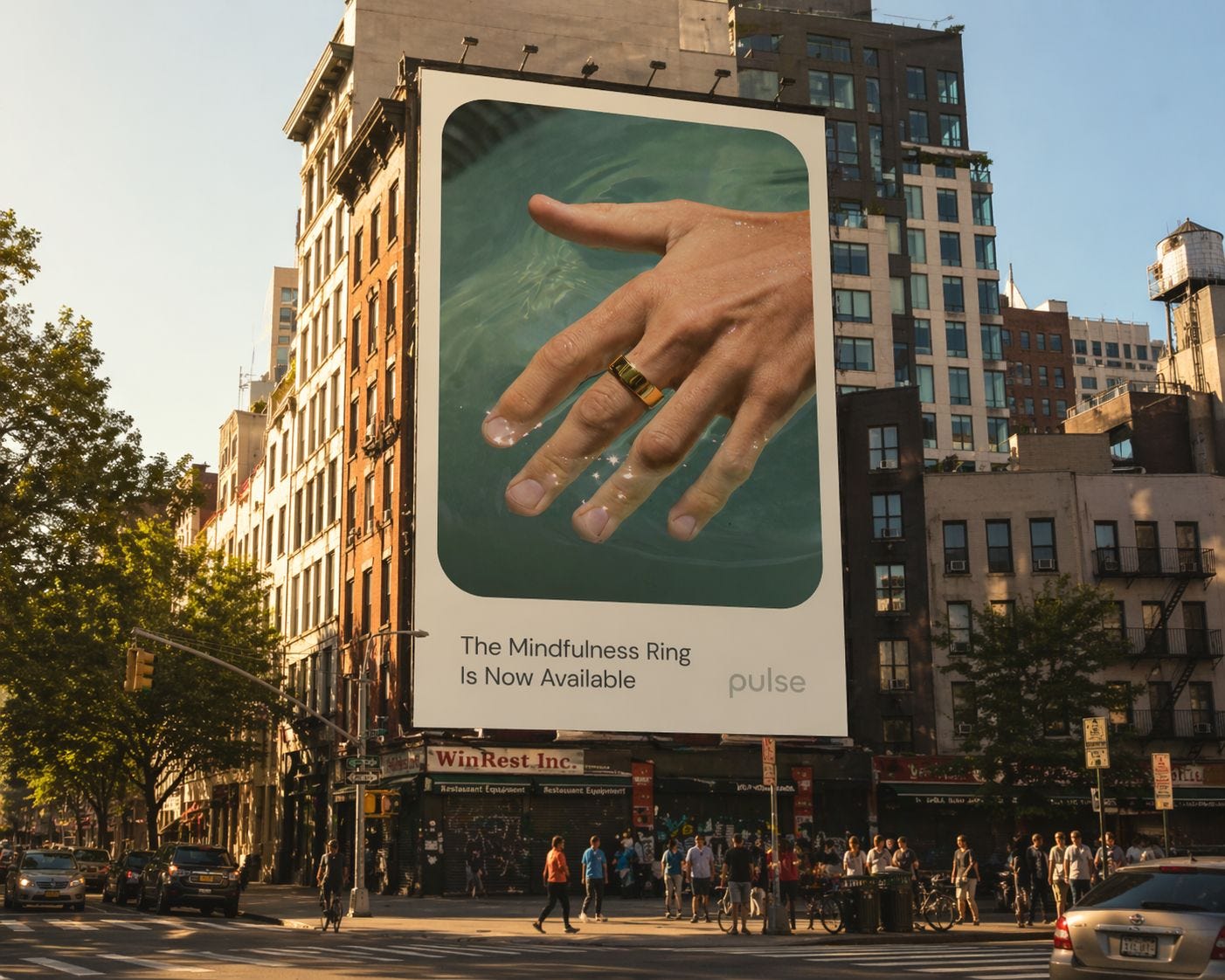
I look at wellness brand launches every single day. Pulse Mindfulness™ has been one of the most successful launches of 2026 — with its brand, solution, and intentional story. I interviewed the founder Johan Matton on how he reached this point after 450+ investor rejections.
He lived the problem before he solved it. Johan battled anxiety from childhood. He tried everything. Meditation apps, therapy, retreats in Tibet and Burma, twelve years of self-growth seminars in New York. Nothing stuck. He kept searching. He kept feeling overwhelmed.
What was needed? Less information. More presence.
That’s how Pulse Mindfulness™ is built. One mission at heart: make calm accessible.
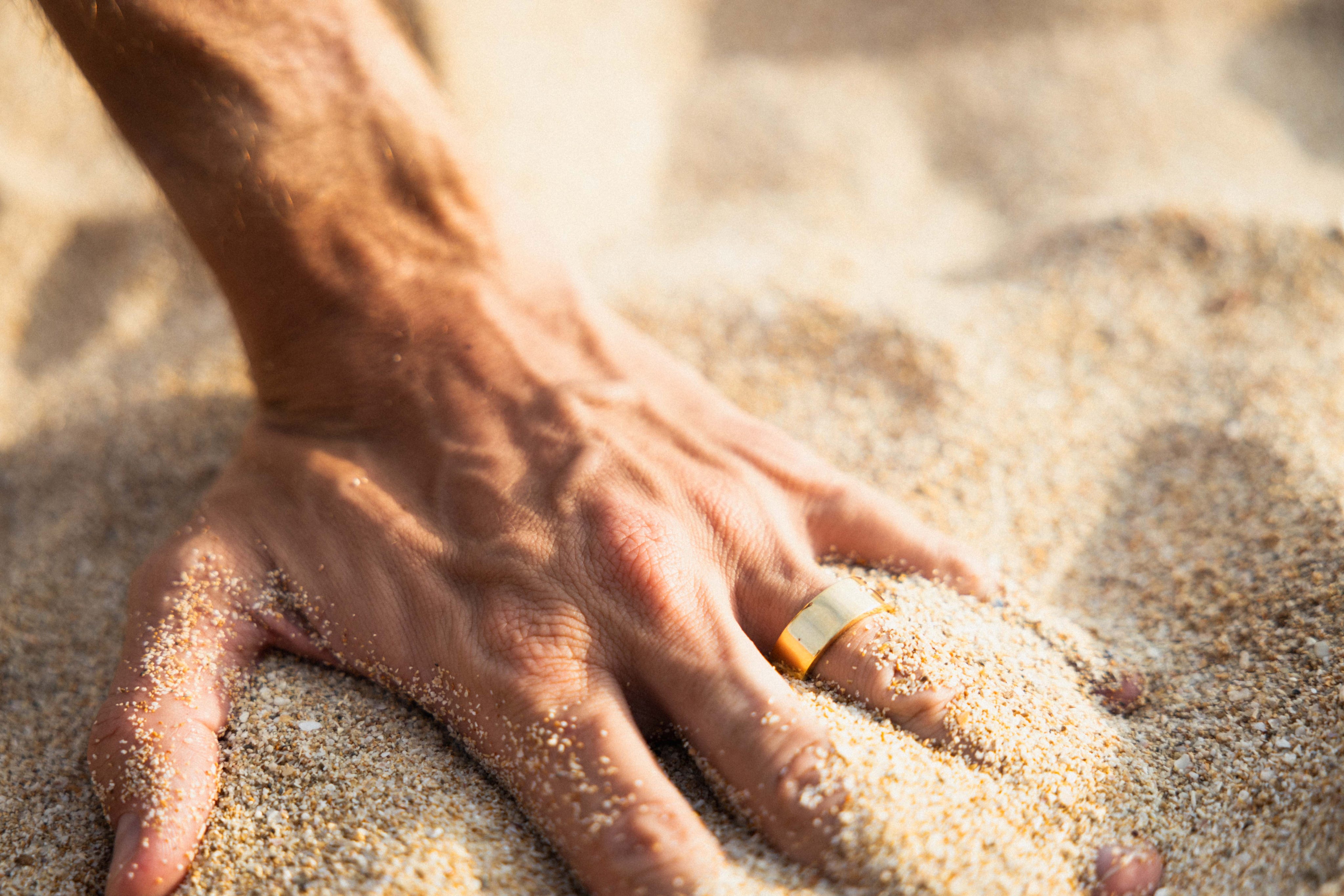
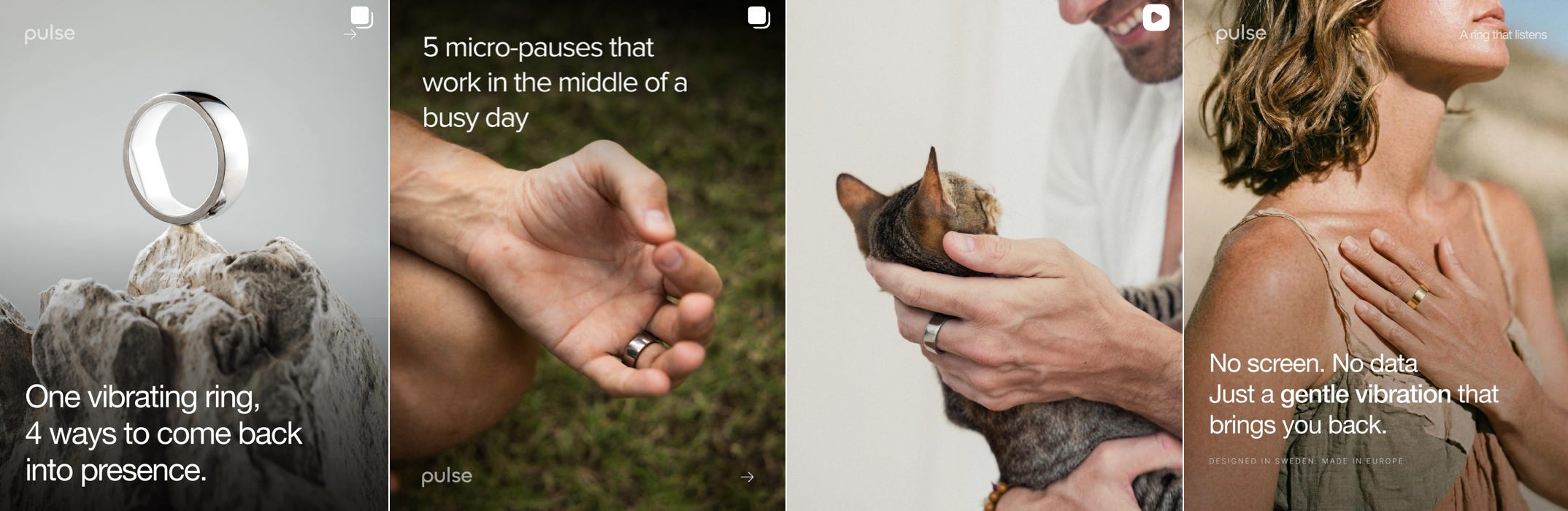
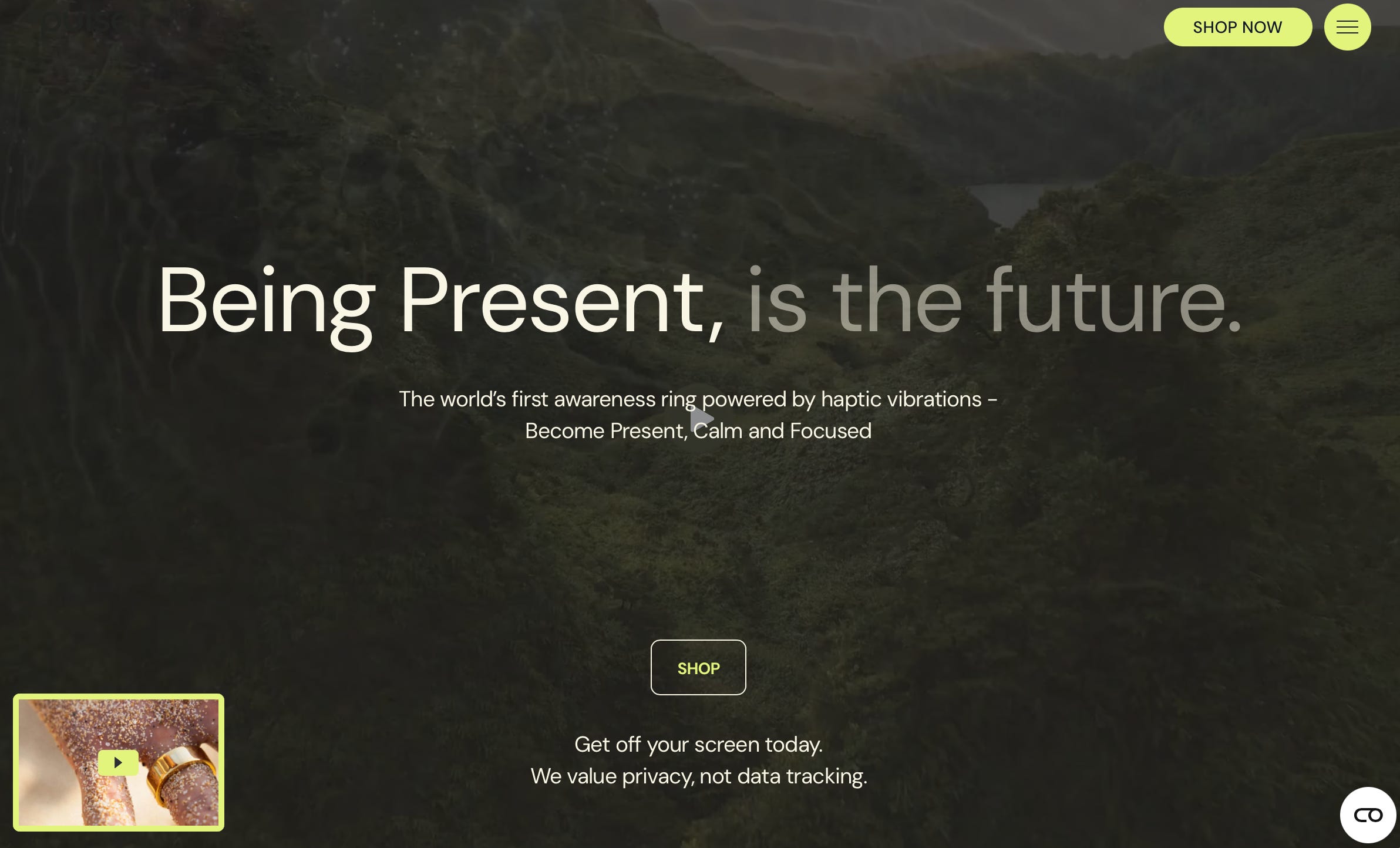
The first product, the Pulse Ring™, is the world’s first mindfulness smart ring. In a world optimized for distraction, it is built for the opposite. No data. No dashboards. No noise. Just a quiet nudge that brings you back to yourself. Pulse Ring™ gently vibrates. A gentle, timed reminder to stop, breathe, and come back to the present moment.
The ring unlocks guided practices called Pulse Journeys™ with the app — covering stress reduction, digital addiction, emotional regulation, and habit change. Core modes include Mindfulness, Focus, Meditation, and Soothing Sessions. No subscription required for the essentials.
We covered:
Turning point: the moment that made building inevitable
Career pivot: the advantages and disadvantages of coming from a different world
Fundraising: 450 rejections and what kept him going
Team: convincing extraordinary people to bet on you before you have a product
Brand: how Pulse Ring built a brand that owns a culture
Waitlist: how 15,000 people found Pulse before it launched
Launch: what worked, what failed, and what nobody warned him about
Mission: the advantages and disadvantages of building your life's work
Wellbeing: the books, rituals, and practices that changed his life
Questions:

Melodi Türkili: Pulse Ring™ is the outcome of a lifetime journey. Walk us through the turning point moments that brought you to building it.
Johan Matton: When I started to realize that reading self-help books or listening to motivating podcasts or any other sessions of therapy didn’t always manage to help me integrate the lessons and learnings from life into everyday life. We do yoga in the morning or meditate, or we learn something, and we forget about it, but to feel-good moment to moment, day to day, we need to use repetitive practice, which science calls conditioning. That’s when I realized I need something that would remind me to do the work, not just understanding the work that needs to be done.
… So I was at an event where we were not allowed to use our phone and smartwatch, where everyone was present, and I was thinking: what if people can be reminded to be this present and conscious all the time? That’s something I would love to give to the world, but it’s also something I need myself.
Melodi: You left a fifteen-year filmmaking career to build a hardware mindfulness company. No tech background, no health background. What were the real advantages and disadvantages of coming from a completely different world?
Johan: I think one of the benefits was to be so naive that I didn’t realize how much hard work would go into this. Maybe I would never have started if I knew how much time that needs to be spent on fundraising when starting a hardware tech startup. But also from the filmmaking world, we are taught to tell stories, and in many aspects I was taught how to build a brand and a lifestyle company and not just a product.
Melodi: 2.5 years of preparation before the launch. You received 450 rejections from investors and sent 1,500 emails that went nowhere. Most reduced you to “it’s just another ring.” What else challenged you most — and how did you overcome it?
Johan: The fundraising aspect was the most difficult part of the journey, although the recruitment of the fantastic team we have has probably become the most important aspect of the journey. But the challenges with hardware are just endless. It’s so difficult to get things right and to get it good from a consumer perspective. I personally struggle with things taking longer than I want them to.
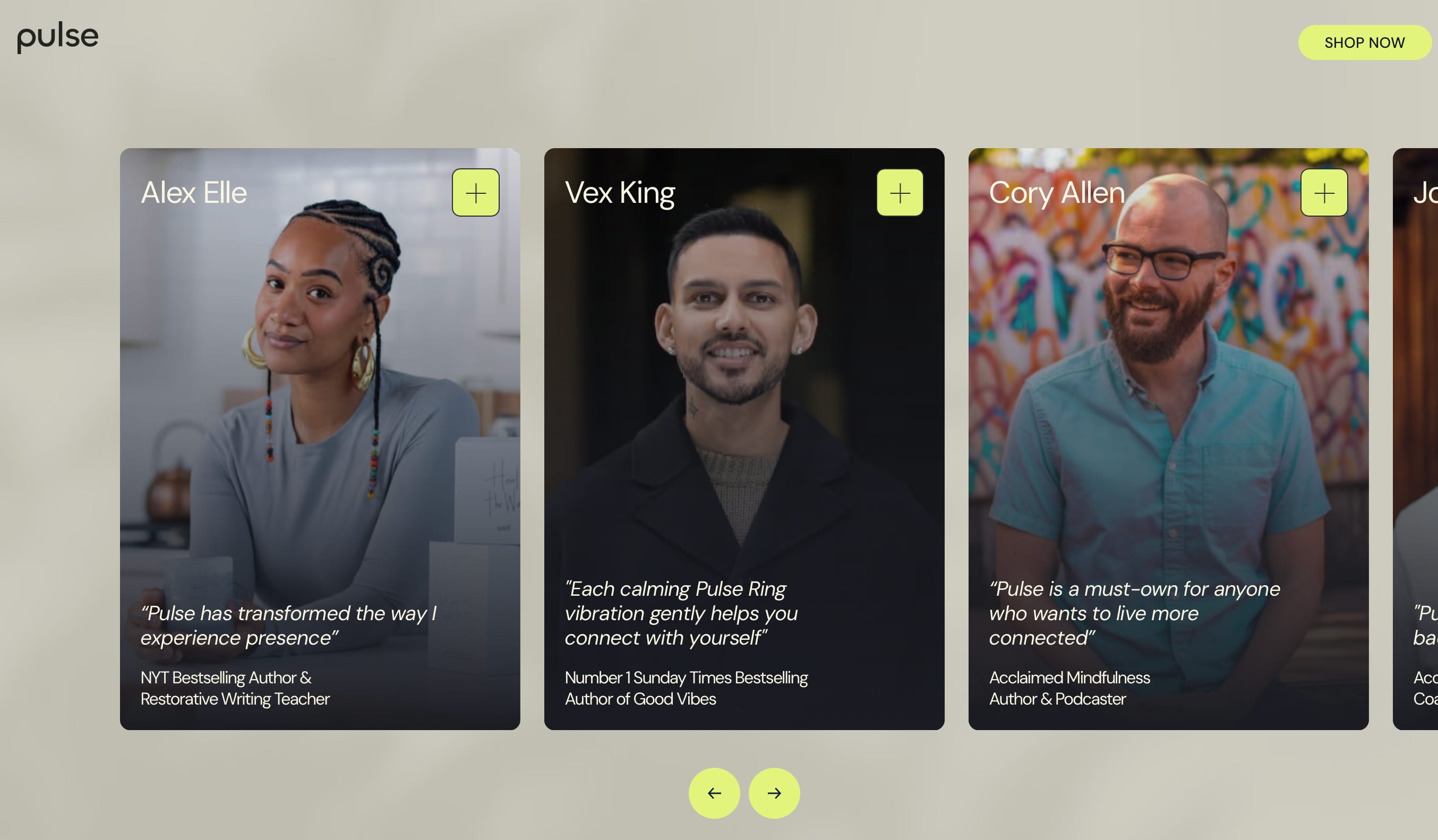
Melodi: Before you had funding or a finished product, you brought in extraordinary people including Tommy Pyykönen, former COO and founding employee of Oura, as CTO, and partnered with Haltian, the engineering powerhouse behind the Oura Ring Gen 2, and mindfulness expert Cory Allen. How did those conversations happen? What did you say to convince people with that pedigree to bet on you so early?
Johan: The one thing I always say to other founders when it comes to the importance of the right people is this simple sentence: “Do everything you can to meet them in person.” What’s their favourite coffee place? Where do they live? Travel to them. Be honest, be authentic. For me, it came from my genuine interest in them, and I think they felt that.
Melodi: The Pulse Ring™ brand is deeply intentional. Walk us through your brand building process — how did it come to take this shape? Who were the main creative people involved?
Johan: Building content and brand for big companies like Spotify, Nike, and Microsoft has been my 12-plus-year journey from New York. I love to build lifestyle brands and to really build something that resonates with people. Not as a superiority thing, but more in a relatable aspect where we love mindfulness and self-growth. We are struggling as much as you are, and we make people understand that we need this product as much as them so they can relate and feel connected.
Melodi: 15,000 people on the waitlist before launch. Where did these people come from? What do you think resonated most with them?
Johan: We tested three different ideal customer profiles:
1. The people wanting to be productive and struggle with overthinking in ADHD. 2. We also tested for people that want to create new habits and are struggling to get rid of old ones.
Mainly, we found that more than 50% interested in buying the PulseRing were interested in just simply snapping out of autopilot and becoming present and conscious so they can live life with their full intentions and act towards life instead of reacting to life. We found most of them by testing light META ads with a call to action to sign up and register on a landing page that we had created back then.
Melodi: Pulse Ring™ launched in April. You are selling stillness inside the attention economy. Every platform you use to reach your customer is optimized to keep them distracted. What has worked in Pulse Ring™ — and what completely failed so far?
Johan: Yeah, it’s ironic that advertisement money is currently best spent on social media platforms, which are the platforms you’re trying to get the users off in the first place. The launch has been incredible, but we definitely underestimated the overwhelming amount of questions that come with a launch. People get so curious and want to know more, learn more, and understand more. Things that were obvious to us were clearly not obvious to the users, especially when it comes to the app. And being a startup company, we don’t have the budget to recruit support people. We have to, as founders, handle all the hundreds of emails ourselves right now.

Melodi: You are building your life mission. There are many people who want to do the same to genuinely create a better world. What are the advantages and disadvantages of that path?
Johan: What it comes down to is: the product really is solving the pain point, right? Is this a product that people actually want and need? If it is, it’s no different from creating another product. The advantage is that feeling that you are actually creating something meaningful in the world that can really help people. It feels so good to leave that legacy behind us and currently living it.
Melodi: What are the most basic things in your life that have uplifted your wellbeing? Books, rituals, habits, courses. Anything.
Johan: So many self-help books, including Power of Now, A New Earth, and The Untethered Soul. Meditating and taking my TM (Transcendental Meditation) course but taking a mindfulness course was probably even more impactful for me. Certain substances have definitely helped in terms of trauma-override. But also these group dynamic courses that exist over the world, for example, Deep Dive with Rupta.
Melodi: What are your biggest dreams for Pulse Mindfulness™?
Johan: I want the world to become more present and conscious and be able to help people who were struggling with anxiety or stress, both as kids and teenagers and now as adults, to be able to actually change their behavior to feel better. I want to create a movement of people really caring about each other and connecting with each other rather than only connecting with their phones. And my goal is that 1 million people will wear the Pulse Ring™ in the next 4-5 years.
Melodi: Who should I interview next? Someone who builds the future of wellness right now. And making wellness genuine, approachable or accessible?
Johan: Kimberly Brauer
Melodi: Thank you, Johan. This is a treasure for everyone in the space. And Pulse Ring is exactly the kind of brand the wellness industry needs more of.